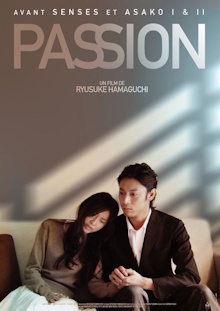
Ryusuke Hamaguchi wowed the world not long ago with two fantastic releases Drive My Car and Wheel of Fortune and Fantasy in the same year. I’ve been on the lookout for his work ever since. Here we go all the way back to his student days as Passion was his masters-level graduate work from the Tokyo University of Arts. You can tell that it was made cheaply with a digital camera and I’m not sure that this film goes anywhere in the end, but it’s engrossing throughout and immediately recognizable as the work of an auteur of cinema. It isn’t easy to find as it wasn’t widely distributed but it’s well worth the time of any cinephile.
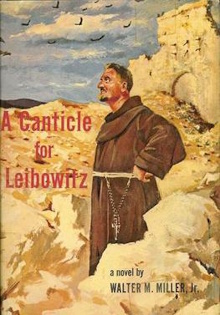
A Canticle for Leibowitz is one of those classics of science-fiction that has long entered the public consciousness. It’s so well-known as a staple of post-apocalyptic fiction that I’d somehow thought that I’d already read it. It’s embarrassing to realize that in fact I haven’t and reading it for the first time over the past month, I’m blown away by how powerful it is as an expression of the cyclical nature of history and the enduring faith of religious calling in persisting on a mission that spans thousands of years. This is a book that has not aged at all and feels just as relevant today as it did when it was published in 1959.
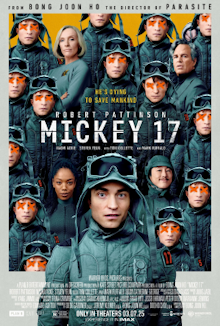
A science-fiction film about cloning starring Robert Pattinson should be right up my alley but I held off on this for a while due to its middling reviews. It’s like there are two versions of Bong Joon Ho: the one who can make Memories of Murder, Mother and Parasite; and the one who can make Okja and now this Mickey 17. Though the setup is for the identity crisis of a cloned person, in the end this just devolves into another monstrous creature that is actually cuddly inside movie. The worldbuilding is entertaining in a wacky way and Pattinson acts his heart out but this is a middling, missable film with a misplaced focus on what is most interesting.
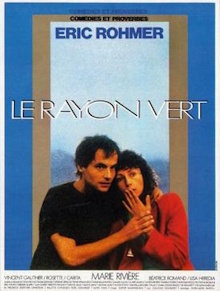
I’ve been watching films seriously for a while now so it astounds me that I still come across great directors whose entire careers I seem to have missed. It’s the turn of Éric Rohmer this time, said to be the last of the French New Wave directors with an adaptation of what must be one of the lesser known works of Jules Verne. I loved it from the start for its naturalistic dialogue, achieved apparently by having the actors improvise most of their lines themselves. I’m not a fan of its facile resolution but I found it engrossing as a depiction of a woman’s depressive state.
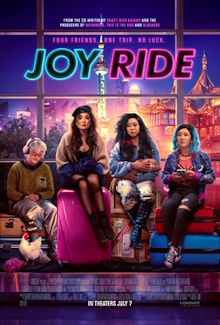
Joy Ride came to my attention because it’s the directorial debut of Malaysian Adele Lim whose columns I used to read as a teenager in The Star newspaper. It’s a raunchy sex comedy the likes of which Seth Rogen used to make and he’s a producer here. Except here it’s a bunch of Asian American girls who are the thirsty ones and most of it is set in China. I thought that would be enough to make interesting at least. I will concede that it’s unpredictable the girls go for the dumbest and craziest ideas. But it’s a terrible film all around and actually manages to be vaguely racist against Asians even while being all about Asians.
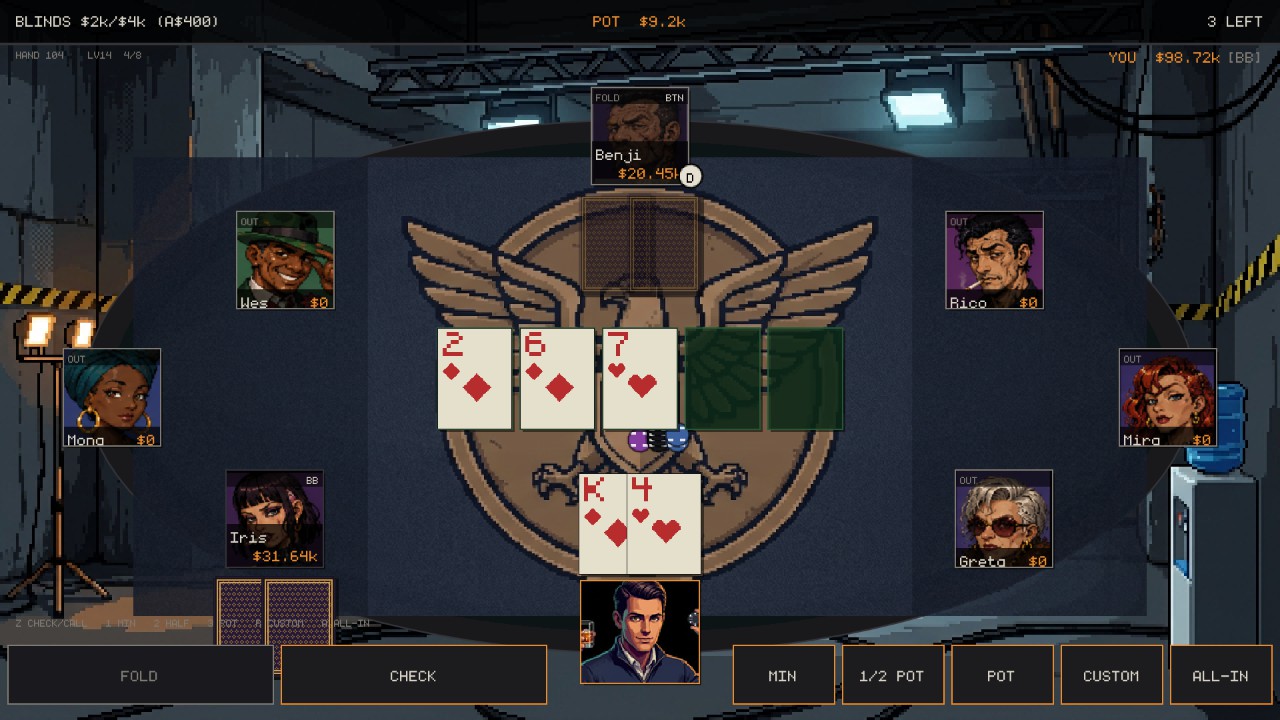
I spent more time on Cyberpunk 2077 than I wanted so I decided to opt for a simpler game to cool off. Obviously I know about poker, but I realized while playing Red Dead Redemption 2 that I’ve never played it seriously. A surprising number of players enjoyed the poker in the Western game including myself but long sessions on it doesn’t seem very feasible. For one thing, Arthur might starve if he spends days and nights at the poker table. So I bought this poker game that seems to have been made by just one person. It does use AI-generated art assets but I don’t much care about that and it seems whoever made it takes poker seriously enough to spend a lot of effort on its AI opponents.
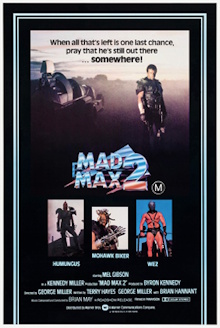
I don’t believe I’ve ever properly watched any of the original Mad Max films after all so I thought I should watch at least one of them. The second one is widely considered the best of the lot as George Miller only had a very small budget when he made the first film and it’s actually set just before the apocalypse. The third film has Tina Turner but the violence is toned down. So the Road Warrior it is, as it’s known in the US. As with every film in the franchise, it’s all about vehicle combat and without the even bigger budget of Fury Road, it can’t match the spectacle of the newer film. But I also found that its groundedness makes it a more realistic film and I liked what it shows of Max’s character.